
# Pug Dog Breed Guide
Overview
The Pug stands as one of the most recognizable and beloved toy breeds in the world. With their distinctive wrinkled faces, compact bodies, and endearing personalities, Pugs have captured hearts for centuries. Originally bred to be companions to Chinese emperors, these small dogs have maintained their regal bearing while adapting perfectly to modern family life.
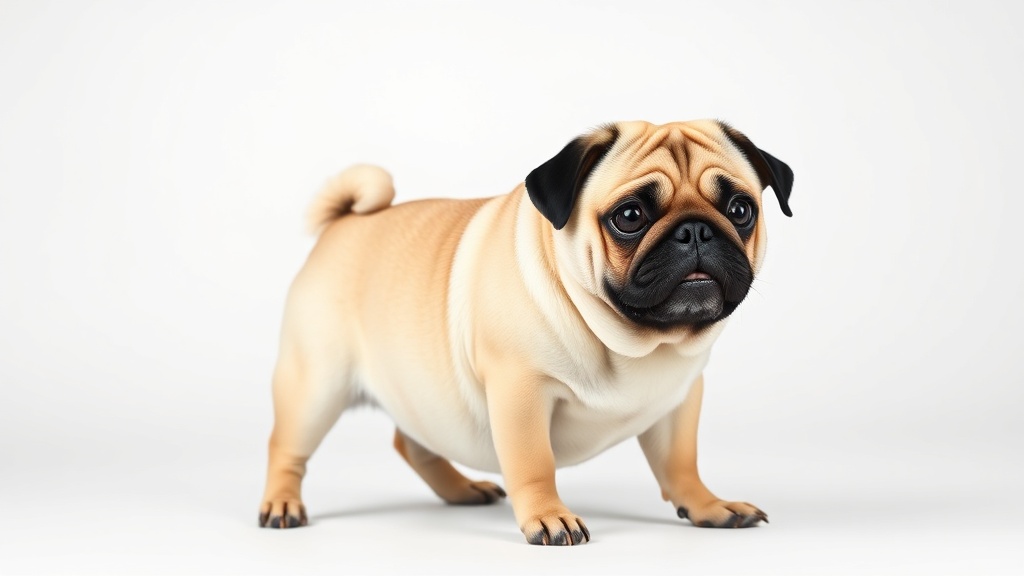
Pugs are characterized by their square, cobby build and their signature "smushed" face, which gives them an almost human-like expression. Their large, dark eyes convey intelligence and mischief in equal measure, while their curled tail adds to their distinctive silhouette. Despite their small stature, Pugs possess outsized personalities that make them excellent companions for families, singles, and seniors alike.
These dogs are known for their even temperament and adaptability, making them suitable for various living situations. Whether in a bustling city apartment or a suburban home with a yard, Pugs adjust well to their environment as long as they receive adequate attention and care from their human companions.
History & Origin
The Pug's history traces back over 2,000 years to ancient China, where they were bred specifically to be companions to the ruling class. During the Han dynasty, these dogs were treasured by Chinese emperors and lived in luxury, often guarded by soldiers. The breed was so valued that only members of the imperial court were permitted to own them.
Dutch traders brought Pugs to Europe in the 16th century, where they quickly gained popularity among European nobility. The breed became particularly associated with the House of Orange in the Netherlands after a Pug named Pompey reportedly saved the life of William the Silent by alerting him to approaching assassins. This heroic act cemented the Pug's place in Dutch royal history.
The breed's popularity spread throughout Europe, with notable enthusiasts including Marie Antoinette of France and Queen Victoria of England. Queen Victoria's passion for Pugs led to increased breeding programs and helped establish many of the breed standards still recognized today. The breed arrived in America following the Civil War and was recognized by the American Kennel Club in 1885.
Physical Characteristics
Pugs are compact, square-proportioned dogs with a distinctive appearance that sets them apart from other toy breeds. Their most notable feature is their brachycephalic (flat) face, characterized by a short muzzle, large prominent eyes, and deep facial wrinkles. The breed standard calls for a "multum in parvo" appearance, meaning "much in little," reflecting their substantial personality in a small package.
The Pug's coat is short, smooth, and glossy, coming in two primary colors: fawn and black. Fawn Pugs display various shades from light cream to deep apricot, always with a black mask covering the muzzle and ears. Black Pugs have solid black coats with no other markings. Both color varieties feature the characteristic black "trace" line running from the back of the head to the tail.
Their ears are small, thin, and soft, folding over to frame the face in either a "rose" or "button" style. The tail is perhaps one of the Pug's most charming features, curling tightly over the hip in a single or double curl. Their legs are strong and straight, supporting their compact body with surprising agility.
Temperament & Personality
Pugs are renowned for their charming, outgoing personalities that seem disproportionately large for their small bodies. They are naturally social dogs that thrive on human companionship and are known for their ability to get along well with people of all ages. Their playful nature makes them excellent family pets, while their calm demeanor suits them for life with seniors or as therapy dogs.
These dogs are inherently curious and often mischievous, traits that endear them to their families while occasionally leading to harmless trouble. Pugs are known for their sense of humor and seem to enjoy making their owners laugh with their antics. They are also remarkably intuitive, often sensing their owner's moods and responding accordingly.
While generally friendly with strangers, Pugs can be somewhat protective of their families, though they are more likely to greet intruders with enthusiasm than aggression. Their moderate barking makes them decent watchdogs, as they will alert their families to visitors without being excessively noisy.
Pugs are adaptable dogs that adjust well to their family's lifestyle. They can be active playmates for children or calm companions for quiet households. However, they do require consistent attention and can develop separation anxiety if left alone for extended periods.
Care Requirements
Grooming
Pugs require regular grooming to maintain their health and appearance. Their short coat sheds year-round, with heavier shedding periods occurring twice annually. Daily brushing with a firm bristle brush helps remove loose hair and distribute natural oils throughout the coat. Special attention must be paid to cleaning the facial wrinkles daily with a damp cloth to prevent bacterial infections and odor buildup.
Regular nail trimming is essential, as Pugs' nails grow quickly and can become uncomfortable if allowed to get too long. Their ears should be checked weekly and cleaned as needed to prevent wax buildup and infections. Dental care is particularly important for Pugs, as their shortened muzzles can lead to crowded teeth and dental issues.
Exercise
Despite their small size, Pugs require moderate daily exercise to maintain their health and prevent obesity. A daily walk of 20-30 minutes, combined with indoor play sessions, typically meets their exercise needs. However, care must be taken during hot weather, as their flat faces make them susceptible to overheating.
Pugs enjoy interactive play and mental stimulation through puzzle toys and training sessions. Swimming should be avoided, as their body structure makes them poor swimmers. Exercise should be adjusted based on the individual dog's age, health status, and weather conditions.
Diet
Pugs have hearty appetites and are prone to weight gain, making proper diet management crucial. High-quality commercial dog food appropriate for their age and activity level provides the best nutrition. Portion control is essential, as obesity can exacerbate breathing problems and joint issues common in the breed.
Feeding should be divided into two meals per day to aid digestion and prevent bloating. Treats should be given sparingly and accounted for in the daily caloric intake. Fresh water should always be available, though some Pugs may need elevated bowls to make drinking more comfortable.
Training
Pugs are intelligent dogs that respond well to positive reinforcement training methods. They can be somewhat stubborn, so patience and consistency are key to successful training. Early socialization is important to ensure they develop into well-rounded adults.
House training may take longer with Pugs than with some other breeds, requiring patience and a consistent schedule. Crate training can be beneficial, providing them with a safe space while aiding in house training efforts.
Health & Common Issues
Pugs are generally healthy dogs but are predisposed to certain health conditions due to their physical characteristics. Brachycephalic Obstructive Airway Syndrome (BOAS) is the most significant concern, causing breathing difficulties due to their shortened airways. Symptoms include snoring, difficulty breathing, and exercise intolerance.
Eye problems are common in Pugs due to their prominent eyes, which are vulnerable to injuries and conditions such as corneal ulcers, dry eye, and progressive retinal atrophy. Regular veterinary eye examinations can help detect and manage these issues early.
Skin fold dermatitis can occur in the facial wrinkles if proper hygiene is not maintained. Patellar luxation, where the kneecap dislocates, is another concern that may require surgical correction in severe cases. Hip dysplasia, while less common than in larger breeds, can still affect some Pugs.
Obesity is a significant health risk for Pugs, as excess weight exacerbates breathing problems and puts additional stress on their joints. Regular veterinary check-ups, proper diet management, and appropriate exercise help maintain optimal health throughout their lives.
Training Tips
Training a Pug requires patience, consistency, and positive reinforcement techniques. These dogs respond best to reward-based training using treats, praise, and play. Harsh correction methods should be avoided, as they can damage the trust between dog and owner and may cause the naturally sensitive Pug to become withdrawn.
Start training early with basic commands such as sit, stay, come, and down. Keep training sessions short (5-10 minutes) and frequent, as Pugs can become bored with lengthy sessions. Socialization should begin early, exposing the puppy to various people, animals, sounds, and environments in a positive manner.
House training requires particular patience with Pugs, as they may take longer to master than some other breeds. Establish a consistent routine for feeding, watering, and bathroom breaks. Crate training can be an effective tool when used properly, providing the Pug with a den-like space while preventing accidents when unsupervised.
Is This Breed Right For You?
Pugs make excellent companions for many different types of households, but they are not suitable for everyone. They thrive in homes where they receive plenty of attention and are included as part of the family. Their moderate exercise needs make them suitable for apartment living, provided they receive daily walks and mental stimulation.
Families with children often find Pugs to be excellent pets, as they are patient and playful without being overly energetic. However, young children should be taught to handle the dog gently, particularly around the face and eyes. Pugs generally get along well with other pets when properly socialized.
Potential owners should be prepared for the grooming requirements, including daily wrinkle cleaning and regular brushing to manage shedding. The breed's predisposition to breathing problems means they are not suitable for very active owners who want a jogging or hiking companion.
Those considering a Pug should also be prepared for potential health care costs, as the breed's physical characteristics can lead to various medical issues throughout their lives. However, for families seeking a loving, loyal, and entertaining companion that adapts well to various living situations, the Pug can be an excellent choice.