
Overview
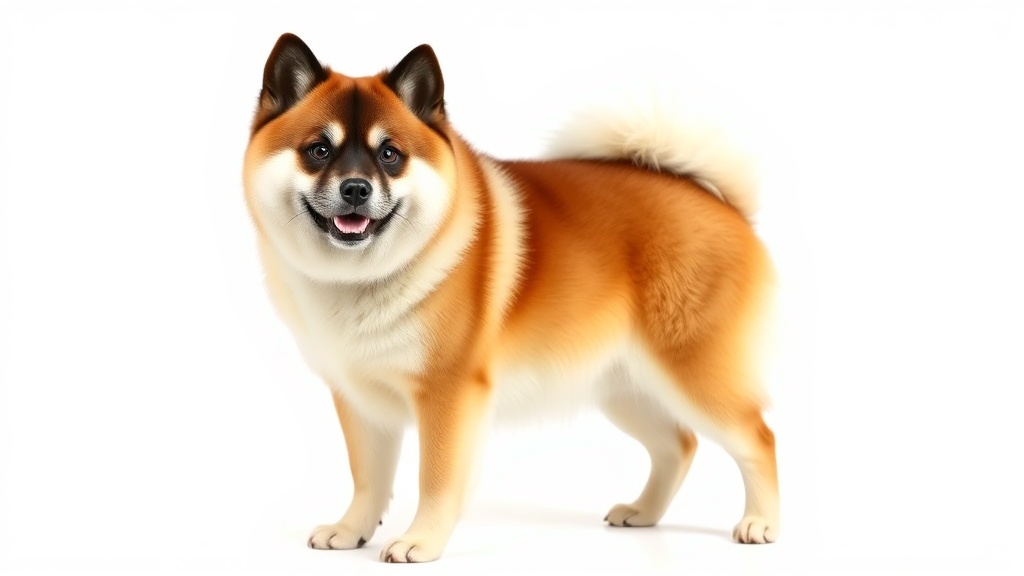
The Akita is a powerful and loyal breed originating from Japan. Known for their courage and dignified demeanor, they make excellent companions for those who understand their needs.
History & Origin
Originating in the mountainous regions of northern Japan, the Akita was initially used for hunting large game such as bears. The breed's history is deeply intertwined with Japanese culture, symbolizing health and happiness.
Physical Characteristics
Akitas are large, robust dogs with a broad head and strong build. They possess a thick double coat that can be a variety of colors, including white, brindle, and pinto.
Temperament & Personality
Loyal and reserved with strangers, Akitas form strong bonds with their families. They are known for their protective nature and can be aloof around new people or animals.
Care Requirements
Grooming
Akitas have a dense double coat that requires regular brushing to manage shedding and maintain a healthy coat.
Exercise
They need moderate daily exercise, such as walks or playtime in a secure area.
Diet
A balanced diet with high-quality dog food is essential. Portion control is crucial to maintain a healthy weight.
Training
Early socialization and consistent, positive training methods are essential to manage their independent nature.
Health & Common Issues
Akitas are prone to certain health issues such as hip dysplasia, hypothyroidism, and progressive retinal atrophy.
Training Tips
Start training early with a focus on socialization. Use positive reinforcement techniques to encourage good behavior.
Is This Breed Right For You?
Akitas are best suited for experienced dog owners who can provide firm and loving guidance. They thrive in homes where they are included in family activities and given a role.
FAQ
1. Are Akitas good with children?
Generally, they are good with respectful children they have grown up with.
2. Do Akitas get along with other pets?
They can be reserved and may not always get along with other pets, especially of the same sex.
3. How much exercise do Akitas need?
A daily walk and some playtime is sufficient for most Akitas.
4. Are Akitas easy to train?
They can be challenging due to their independent nature but respond well to positive reinforcement.
5. Do Akitas bark a lot?
They are generally quiet but will alert you to strangers.