
Overview
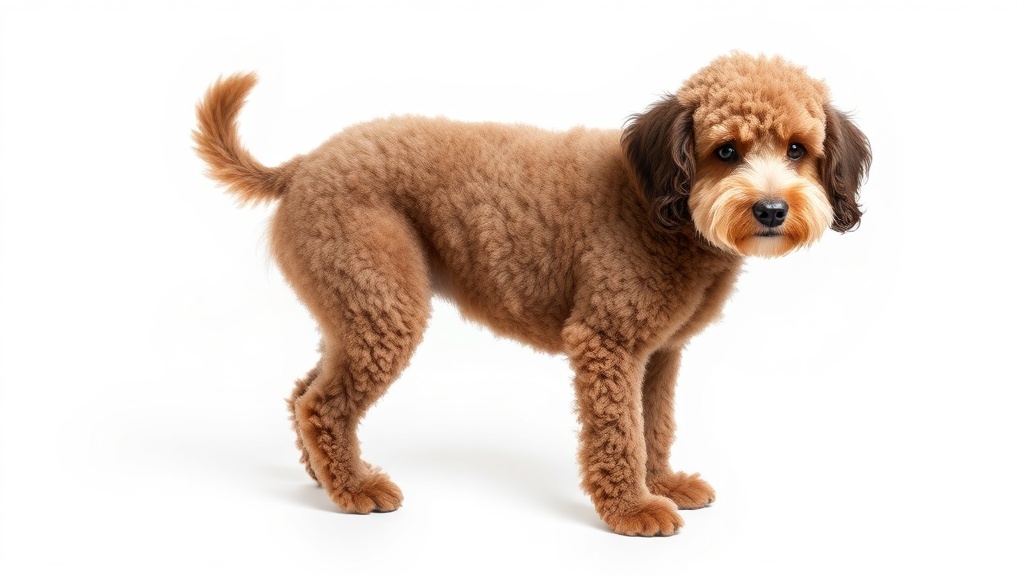
The Poodle is a highly intelligent and versatile breed known for its hypoallergenic coat and lively personality. Available in three sizes (Standard, Miniature, and Toy), Poodles are celebrated for their trainability and elegance.
History & Origin
Originating in Germany as a water retriever, the Poodle's name comes from the German word 'pudel,' meaning 'to splash in water.' They later became popular in France as royal companions and circus performers due to their intelligence and agility.
Physical Characteristics
Poodles come in a variety of sizes: Standard (over 38 cm), Miniature (28-38 cm), and Toy (under 28 cm). Their weight ranges from 2 to 32 kg. Poodles have a distinctive curly coat that can come in various colors including white, black, apricot, and gray.
Temperament & Personality
Poodles are known for their intelligence and eagerness to please, making them highly trainable. They are active, alert, and enjoy being the center of attention. Poodles thrive on human interaction and are known for their loyalty.
Care Requirements
Grooming
Poodles require regular grooming to maintain their curly coat and prevent matting. Professional grooming every 4 to 6 weeks is recommended.
Exercise
Daily exercise is essential for Poodles. They enjoy walks, playtime, and activities like agility training.
Diet
A balanced diet tailored to the Poodle's size and age is crucial. High-quality dog food with appropriate protein levels is recommended.
Training
Poodles respond well to positive reinforcement techniques. Early socialization and consistent training help bring out the best in this breed.
Health & Common Issues
Poodles are generally healthy but can be prone to certain conditions such as hip dysplasia, eye disorders, and skin conditions. Regular veterinary check-ups help maintain their health.
Training Tips
Poodles excel in obedience and agility training. Use reward-based methods and keep training sessions fun and engaging.
Is This Breed Right For You?
Poodles are ideal for families and individuals who can provide them with the attention and care they need. Their hypoallergenic coat makes them suitable for allergy sufferers. They are also good with children and other pets, provided they are socialized early.