
Overview
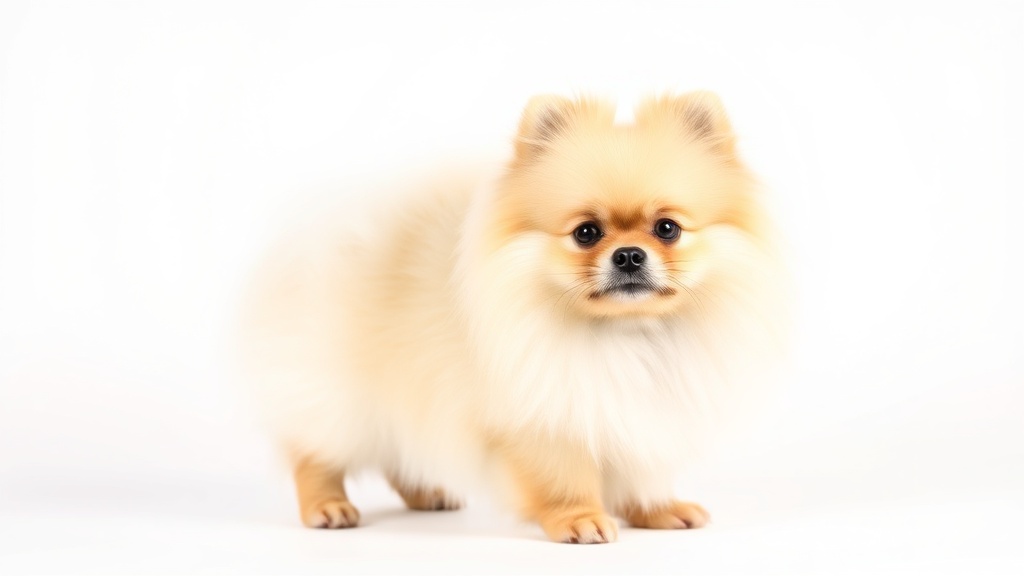
Pomeranians are a small but vivacious breed known for their fluffy coats and spirited nature. Despite their tiny size, they possess a big personality and are often described as 'a big dog in a small body.'
History & Origin
Originating from the Pomerania region in present-day Germany and Poland, Pomeranians descended from larger sled-pulling Spitz-type dogs. They gained popularity as companion animals among European royalty, notably Queen Victoria, who helped reduce their size through selective breeding.
Physical Characteristics
Pomeranians are characterized by their fox-like face and dense double coat. They weigh between 1.9 to 3.5 kg and stand 18 to 30 cm tall. Their coats can come in a variety of colors including orange, black, and cream.
Temperament & Personality
Lively and intelligent, Pomeranians are known for their inquisitive nature and bold demeanor. They can be very affectionate with their family and are often fearless in their interactions with larger dogs.
Care Requirements
Grooming
Pomeranians require regular grooming due to their thick double coat. Brushing them several times a week helps prevent matting and reduces shedding.
Exercise
These energetic dogs need daily exercise. Short walks and playtime are usually sufficient to meet their needs.
Diet
Pomeranians thrive on a high-quality diet tailored to their age, weight, and activity level. Portion control is important to prevent obesity.
Training
Consistent, positive reinforcement training works best with this intelligent breed. Early socialization is crucial to manage their bold nature.
Health & Common Issues
Pomeranians are generally healthy but can be prone to conditions such as patellar luxation, tracheal collapse, and dental issues.
Training Tips
Start training early and use positive reinforcement techniques. Pomeranians respond well to treats and praise.
Is This Breed Right For You?
Pomeranians are ideal for families looking for a small, lively companion. They adapt well to apartment living but require attention, exercise, and grooming.