
Overview
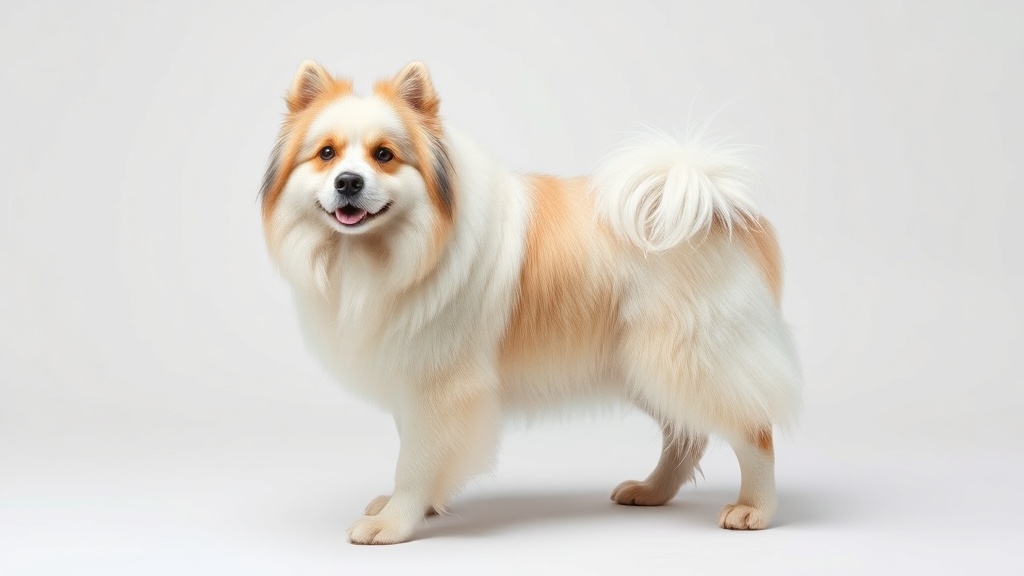
The Himalayan Sheepdog, also known as the Bhotia or Himalayan Mastiff, is a robust and loyal breed originating from the mountainous regions of India. Known for their protective nature and intelligence, these dogs are well-suited for guarding and companionship roles.
History & Origin
The Himalayan Sheepdog has a rich history rooted in the Himalayan regions of India. Traditionally used by local shepherds to guard livestock, these dogs have adapted to harsh climates and rugged terrains.
Physical Characteristics
Himalayan Sheepdogs are large, strong, and muscular. They typically weigh between 30 to 40 kg and stand 60 to 75 cm tall at the shoulder. Their double coat is thick and suited for cold weather, usually appearing in shades of black, brown, or grey.
Temperament & Personality
These dogs are known for their loyalty and protective instincts. They are intelligent, often displaying independence, but are also gentle with family members. They require early socialization to ensure a well-rounded temperament.
Care Requirements
Grooming
The Himalayan Sheepdog requires regular grooming due to its thick double coat. Brushing several times a week helps reduce shedding and keeps the coat healthy.
Exercise
These dogs need ample exercise to maintain their physical and mental health. Daily walks and play sessions are recommended.
Diet
A balanced diet rich in protein and healthy fats is crucial. Consult your vet for specific dietary needs based on age and health.
Training
Positive reinforcement techniques work best. Consistent training from a young age helps manage their independent nature.
Health & Common Issues
Himalayan Sheepdogs are generally healthy but may face issues like hip dysplasia, arthritis, and eye problems. Regular veterinary check-ups are essential.
Training Tips
Start training early and focus on socialization. Use rewards and positive reinforcement to encourage desired behaviors.
Is This Breed Right For You?
The Himalayan Sheepdog is ideal for active families or individuals who can provide the exercise and attention they need. They do well in spacious environments but can adapt to various living conditions if exercised properly.