
Overview
The Singapura cat, often referred to as the world's smallest domestic cat breed, is known for its affectionate and playful demeanor. Originating from Singapore, this breed stands out not only for its diminutive size but also for its engaging personality.
History & Origin
The Singapura cat's journey began in the streets of Singapore, where it was known as the 'Drain Cat.' Recognized officially in the 1970s, the breed quickly gained popularity due to its unique characteristics and charming nature. It holds the title of Singapore's national cat.
Physical Characteristics
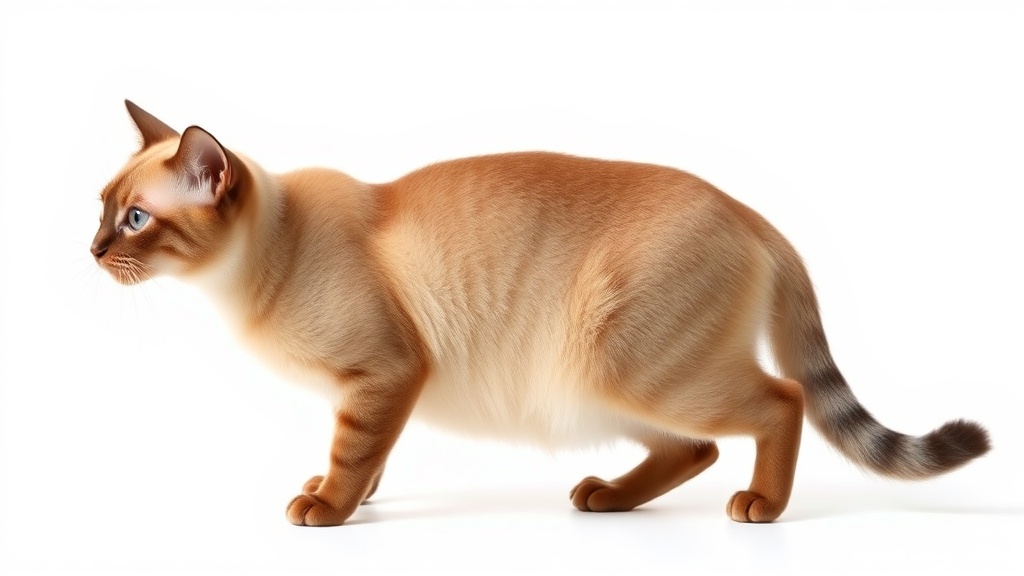
Singapura cats are small, muscular, and remarkably agile. Weighing between 2-3 kg and standing 15-20 cm tall, they are most notable for their large eyes and ears. Their coat is short, fine, and typically sepia-toned.
Temperament & Personality
These cats are affectionate, curious, and extremely social. They thrive on interaction and are known for their playful antics. Intelligent and easygoing, Singapuras enjoy being part of family activities and adapt well to various living environments.
Care Requirements
Grooming
Singapuras require minimal grooming due to their short coat. Weekly brushing suffices to maintain their sleek appearance.
Exercise
Despite their small size, they are energetic and benefit from regular play sessions and interactive toys.
Diet
A balanced diet rich in protein is essential. Consult with a veterinarian to determine the best food for your Singapura.
Training
Thanks to their intelligence, Singapuras are highly trainable. Positive reinforcement works best for teaching tricks and commands.
Health & Common Issues
Singapura cats are generally healthy, but they can be prone to certain genetic issues such as:
1. Progressive Retinal Atrophy (PRA)
2. Pyruvate Kinase Deficiency (PKD)
3. Obesity
Training Tips
Start training early using positive reinforcement techniques. Singapuras respond well to treats and praise, making training an enjoyable experience for both owner and cat.
Is This Breed Right For You?
Singapuras are ideal for families and individuals who can provide attention and interaction. They adapt well to apartment living and are great with children and other pets.